

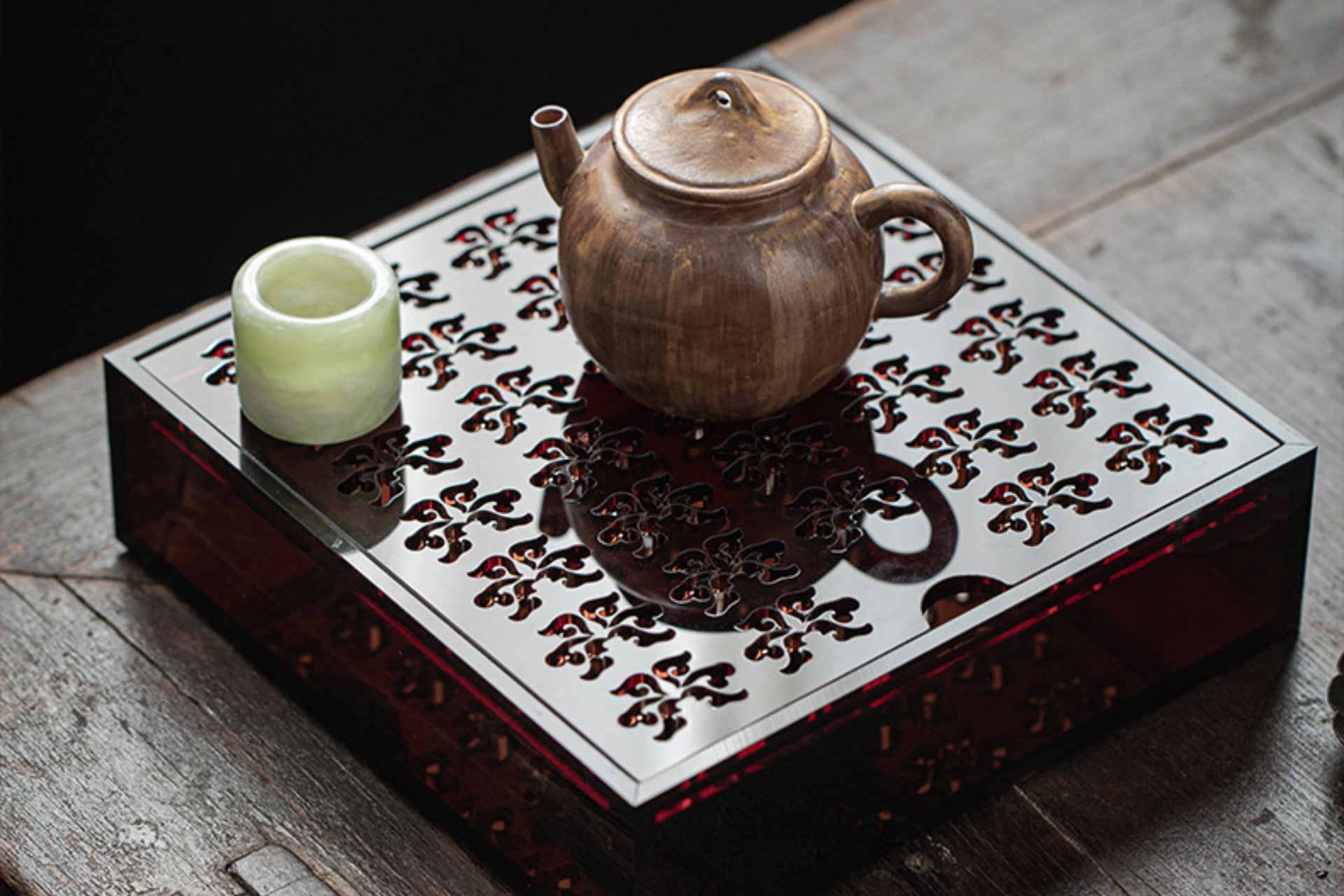
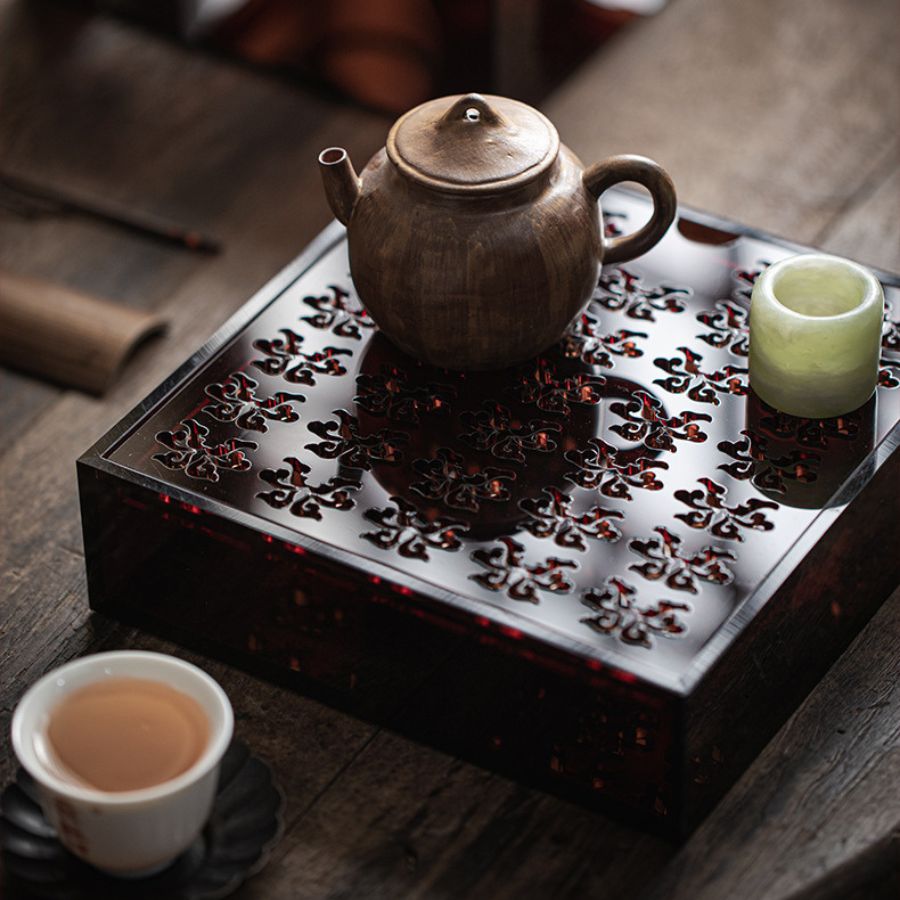


If you’re new to Chinese Gongfu tea, you might feel overwhelmed by all the tea tools. It’s tough to know what each item does. You might wonder what beginners really need and what’s just nice to have. Many think they need a complete matching set.
In reality, the starting point of Gongfu tea is much simpler than most people imagine. Often, one gaiwan and one cup are enough to create a relaxed, enjoyable tea session.
In this article, we’ll cover 20 Gongfu tea tools. We’ll look at essential tools, add on tools, and fun extras. Together, they cover almost every brewing scenario you might run into.
How Should Beginners Put Together a Gongfu Tea Set?
This table is a quick buying guide for beginners. The hearts in the table show how essential each tool is. Begin with the essential tools for a solid first setup. Then, add optional tools based on your session needs.
The Priority level column shows if a tool is must-have, nice-to-have, situational, or optional.
Quick Rated Checklist
|
Rating |
Teaware / Tools |
Priority level |
|
♥♥♥♥♥ |
Gaiwan; Fairness Pitcher (Cha Hai); Tasting Cup |
Must-have |
|
♥♥♥♥ |
Teapot; Host Cup; Tea Tray; Brewing Kettle; Aroma Cup; Tea Boat; Lid Holder; Tea Pet |
Nice-to-have |
|
♥♥♥ |
Digital Scale; Tea Strainer; Tea Towel; Tea Scoop (Cha Ze); Waste-Water Bowl; Tea Knife; Tea Mat |
Situational |
|
♥♥ |
Tea Spoon; Tea Needle; Tea Canister |
Optional |
Essential Gongfu Teaware
To brew and drink tea, you need the right gongfu teaware. When you gather to drink tea, whether alone or with friends, you'll need a few basics:
-
A brewing vessel, like a gaiwan or teapot
-
A cha hai, which is a sharing vessel
-
Cups for your guests to drink from
You can also include a tea tray to complete your setup. With these pieces, you'll have a full Gongfu tea set.
1. Gaiwan
What is it?
The main brewing vessel in Gongfu tea. A gaiwan is also called the “Three-Talents Gaiwan or "Two-Talents Gaiwan". It’s a classic piece of Chinese tea ware. It mixes practical use with rich cultural significance. White porcelain gaiwans are the best choice. They don’t soak up tea aromas or flavors.

How do you use it?
After adding tea leaves, pour in hot water. Use the lid to gently stir the leaves and skim off any foam on the surface.
When it’s time to pour, hold the saucer and the bowl's rim to avoid burning your fingers. Tilt the gaiwan and use the small gap between the lid and bowl to filter the leaves. Pour the tea into the fairness pitcher.
When do you need it?
Perfect for brewing your favorite tea, solo or with company. This gem is also beloved for tea tastings and evaluations.
What can replace it?
Yixing teapot, ceramic Gongfu teapot
Priority: ♥♥♥♥♥ Must-have
2. Teapot
What is it?
Another main brewing vessel for Gongfu tea. Teapots are available in many styles and materials.
The main advantage is that it retains heat well. However, if the pot is made of clay, it will absorb the aromas of tea over time. This is why it's best to use it for brewing the same type of tea all the time.

How do you use it?
Add the right amount of tea for its type. Pour in water at the correct temperature. Steep briefly, then tilt the pot to pour out the tea.
When do you need it?
Great for brewing oolong, pu’er, and teas known for richer body
What can replace it?
A gaiwan (more versatile).
Priority: ♥♥♥♥ Nice-to-have
3. Fairness Pitcher (Cha Hai)
What is it?
Also called a “cha hai,” this is the key tool for evening out the tea’s concentration. It’s usually open-topped and commonly made of glass or ceramic. It collects the pour before serving, so everyone gets the same brew.

How do you use it?
Pour all brewed tea from the teapot or gaiwan into the fairness pitcher. Let it sit for 1–2 seconds to balance the concentration. Then, pour evenly into each tasting cup.
When do you need it?
When drinking with others (1 person and above)
Priority: ♥♥♥♥♥ Must-have
4. Tasting Cup
What is it?
A small cup is designed for drinking gongfu tea. It's usually short with a wide mouth and a shallow base. The shape of the cup can vary. Ceramic cups are common and should be the same size as your fairness pitcher. They typically hold 20-50 ml.

How do you use it?
Receive tea poured from the fair pitcher. Drink when the temperature feels comfortable. For highly aromatic teas, you can smell the lingering aroma in the cup after you finish.
When do you need it?
For both solo and group brewing situations.
Priority: ♥♥♥♥♥ Must-have
5. Host Cup
What is it?
A cup is reserved for the host. It works like a tasting cup, but is more personal. It usually holds 40-100 ml, which is larger than a tasting cup. You can think of it as your own special cup. Since it's bigger, when drinking alone, you can just use a gaiwan and a host cup, and you don't need a fairness pitcher. At a tea gathering, the host cup can also be the host's own exclusive cup.

How do you use it?
Use it as the host’s personal cup for solo drinking, paired directly with a gaiwan or teapot. When you host guests, use the host cup. Guests will enjoy matching tasting cups.
When do you need it?
Daily solo drinking; hosting on a tea table.
Priority: ♥♥♥♥ Nice-to-have
6. Tea Tray
What is it?
A base tray to hold your tea setup. It can be made from wood, bamboo, ceramic, or stone. Most tea trays fall into two styles: draining trays and portable trays.
Draining trays are bigger and heavier. They often go with a tea table or tea station that can manage the runoff. They have drainage holes and a tube that sends wastewater into a bucket (or a drain, if you have plumbing). The trade-off is that they’re not easy to move around.
The portable trays are smaller and lighter. They have a reservoir that collects water. You empty it after your session. They’re great for small spaces or anywhere without a drainage setup.

When do you need it?
Daily home brewing; tea gatherings.
What can replace it?
A tea boat and a waste-water bowl
Priority: ♥♥♥♥ Nice-to-have
7. Brewing Kettle
What is it?
This kettle is designed for boiling water for gong fu tea. It's made of stainless steel and glass. The key things it needs to do are heat up fast, pour smoothly, and have a spout that lets you control the water flow easily.

How do you use it?
Control spout height and pouring speed. For delicate teas, pour low and slowly to avoid hitting the leaves too hard. For compressed teas, pour higher to help release aroma.
When do you need it?
When you want a better brewing experience.
What can replace it?
A regular electric kettle.
Priority: ♥♥♥♥ Nice-to-have
8. Aroma Cup
What is it?
A cup designed specifically for smelling tea aroma. It’s tall and narrow, with a smaller opening and deeper base. Made of ceramic or clay, it helps concentrate aroma and amplify its layers.
Aroma cups work with tasting cups in tea evaluation. They help drinkers better sense the top, middle, and lingering aromas.

How do you use it?
When brewing highly aromatic tea, like oolong tea, first pour tea into the aroma cup.
Then place the tasting cup upside down on top of the aroma cup. Hold both cups and flip them so the tea flows into the tasting cup. Lift the aroma cup and smell the aroma from the bottom and inner wall, noticing different layers.
When do you need it?
For tasting teas with strong aromas, such as Tieguanyin, Phoenix Dancong, and Keemun black tea.
What can replace it?
The tasting cup or gaiwan lid
Need level: ♥♥♥♥ Nice-to-have
Add-on Gongfu Teaware
By now, you should have a good sense of the rhythm of Gongfu brewing, and likely discovered some Chinese teas that you really like. Using a gaiwan or teapot is starting to feel comfortable, and the process is no longer feeling new and unfamiliar.
Now you can start adding auxiliary tools based on your space and real needs. They won’t change the tea itself. Yet, they can make each session smoother, cleaner, and more consistent. They also add visual depth and a unique look to your tea table.
9. Digital Scale
What is it?
A small portable tool for accurately measuring tea leaf weight. It helps you control the tea-to-water ratio and avoid brewing tea that’s too strong or too weak.

How do you use it?
Place it on a stable surface and turn it on. Set your gaiwan or tea presentation tray on the scale, then press tare to zero it out. Add the tea leaves and weigh the amount based on your tea type.
When do you need it?
Tea evaluation, beginner practice, and whenever you want consistent results.
Priority: ♥♥♥ Situational
10. Tea Boat
What is it?
A small tray or bowl used to hold a teapot or gaiwan, usually made of ceramic or metal. It catches leftover water dripping from the base and keeps your table clean. It often looks decorative. It enhances the tea table's look when paired with a teapot or gaiwan. Commonly used in “dry brewing” setups.

How do you use it?
Place the stand in the center of the tea table and set the teapot on top. During brewing, leftover water drips into the stand. Afterward, wipe it with a tea towel, or rinse and air-dry.
When do you need it?
For dry brewing, small tables
What can replace it?
A portable tea tray.
Priority: ♥♥♥♥ Nice-to-have
11. Tea Strainer
What is it?
A tool that filters fine leaf bits from tea liquor, made of a filter mesh and a holder.
Mesh types are:
-
Metal: Usually stainless steel. It’s durable and easy to clean.
-
Ceramic filter plates: They have a fine texture and provide strong filtering.
The holder is often ceramic or wood so it can sit steadily on the rim of a fairness pitcher and prevent slipping.

How do you use it?
Before pouring out tea, place the strainer on top of the fairness pitcher with the mesh facing up. When decanting, pour tea from the teapot/gaiwan through the strainer. Leaf bits are caught, and clear tea flows into the fairness pitcher.
When do you need it?
When brewing teas that produce more particles.
Priority: ♥♥♥ Situational
12. Tea Towel
What is it?
A tea-table cleaning cloth, usually cotton or linen—very absorbent and soft. Tea towels are often dark-colored (so they don’t show stains easily). Some are embroidered with tea-culture patterns, combining function and decoration.

How do you use it?
Wipe water on the table, and wipe the bases of pots and cups. If tea spills during brewing, clean it immediately to keep the tea table neat.
When do you need it?
When using a small tea tray or tea boat. It helps prevent lingering moisture and protects the tabletop from dampness or scratches.
What can replace it?
Regular cleaning rag
Priority: ♥♥♥ Situational
13. Tea Scoop (Cha Ze)
What is it?
A tool for taking tea from a tea canister, usually bamboo, wood, or metal. It’s long and narrow.

How do you use it?
Put the tea leaves on a tea scoop, then use the scoop to transfer them into the gaiwan or teapot.
When do you need it?
When using a teapot—because the opening is small, the tea scoop helps you add tea more neatly.
What can replace it?
A teaspoon, folded paper.
Priority: ♥♥♥ Situational
14. Tea Spoon
What is it?
Used for scooping loose tea from a tea canister.

How do you use it?
Use a small spoon to scoop tea into tea ware, or into a tea scoop tool.
When do you need it?
To avoid grabbing tea with your hands when taking leaves.
Priority: ♥♥ Optional
15. Lid Holder
What is it?
A dedicated rest for placing a teapot lid or gaiwan lid, also called a “lid Rest.” Usually ceramic, wood, or stone.
It comes in many shapes, such as round, square, and mountain-shaped. The smooth surface helps keep the lid from touching the table, which keeps it clean. It also helps protect the edge of the lid from getting chipped or damaged.

How do you use it?
To lift the lid for pouring, decanting, or skimming foam, gently set it on the lid rest. Keep it off the tabletop.
When do you need it?
Keeping the lid off the table when using a teapot is helpful. It helps avoid dust and hygiene issues. It also protects the lid from being knocked, extending the life of your teapot or gaiwan.
Priority: ♥♥♥♥ Nice-to-have
16. Waste-Water Bowl
What is it?
A container for collecting tea leaves and waste water. It’s often an open bowl or basin shape, usually ceramic or glass, and fairly large.
Its main job is to collect wastewater and tea leaves. This stops you from putting leaves straight into the tea tray, which can cause clogs.

How do you use it?
After your infusion, you can toss the tea leaves from the gaiwan or teapot into the waste-water bowl. Then, you can start brewing the next round. Drinkers can pour leftover tea from their cups into the waste-water bowl. This helps them assess the next infusion better.
When do you need it?
Common in dry-brewing setups. It's also useful if your tea tray has a small water reservoir or when brewing many infusions for a group. Common in dry-brewing setups.
What can replace it?
A large cup; a trash can (can only discard leaves)
Priority: ♥♥♥ Situational
17. Tea Needle
What is it?
Tea needles are used to unclog a teapot spout during brewing. To avoid scratching the pot, it’s usually made of bamboo or wood.
It’s also a tool for unclogging spouts and loosening tea leaves. It’s long and slim. One end is rounded to prevent scratching the pot's inside.

How do you use it?
Use it carefully to avoid scratching the teapot.
When do you need it?
You may need it when brewing with a teapot.
What can replace it?
A toothpick or dental floss.
Need level: ♥♥ Optional
18. Tea Knife
What is it?
A tool for prying apart compressed tea, often made of stainless steel. The tip is sharp enough to work into the cake, but not needle-sharp. It also feels heavier and more solid in the hand.
It fits into natural gaps in compressed tea. This helps split it cleanly without crushing the leaves. Common compressed teas are pu’er tea cakes, white tea cakes, and dark tea bricks. You usually break these up before brewing.

When do you need it?
Essential when brewing compressed tea.
What can replace it?
A fork
Priority: ♥♥♥ Situational
19. Tea Canister
What is it?
A container designed for storing tea leaves. Tea canisters come in different materials: tin, stainless steel, ceramic, glass, and wood. Wood can have an inner lining.

How do you use it?
Store tea in a clean, dry canister. Close the lid tightly after each use. Keep oolong and green tea canisters away from spices, coffee, and strong-smelling foods. They absorb odors easily.
When do you need it?
To keep your tea fresh longer, especially for delicate or high-aroma varieties, this is a good option. It's also helpful if you use your tea frequently and want a convenient daily setup that stays tidy.
What can replace it?
The original sealed bag or tea jar
Need level: ♥♥ Optional
3. Fun Gongfu Teaware
Fun tea ware might not be a must-have, but it certainly spices things up. It breathes life into your tea table, showcasing the drinker's flair and zest for everyday joy. Add a few charming extras, and your tea session instantly feels more fun.
20. Tea Pet
What is it?
A small tea-table figurine, usually made of Yixing clay or ceramic. Shapes vary widely (money toads, pixiu, Bodhidharma, all kinds of animals, and more). It’s both decorative and something you can “play with.”
The main joy of a tea pet is “raising” it. As you pour tea over it and wipe it, it gains a warm patina. Over time, it gets more translucent and becomes your tea table’s “personal companion.”

How do you use it?
While brewing, evenly pour tea liquor or hot rinse water over the tea pet’s surface.
When do you need it?
When you want more fun on the tea table and a stronger tea-session atmosphere.
Priority: ♥♥♥♥ Nice-to-have
21. Tea Mat
What is it?
A cloth or mat placed on the tea table, also called a “tea cloth.” Materials include cotton, linen, silk, and bamboo. Colors are usually calm and understated (off-white, gray, brown, etc.).
Some mats have tea-culture patterns, like tea scenes, orchids, or calligraphy. They mix function with decoration. The main role is to arrange your tea table, enhance its look, and shield the surface from scratches.

How do you use it?
Lay the mat flat and align the edges with the table. Place the tea tray and tools in the center. Keep everything neat and match the mat’s style.
Clean the mat right after use. You can hand-wash cotton or linen and air-dry them. For silk, wipe it gently to prevent damage.
When do you need it?
For dry brewing
Priority: ♥♥♥ Situational


